


-

Add: HeBei ShengShi HongBang Cellulose Technology CO.,LTD.
-

Email
13180486930@163.com -

CONTACT US
+86 13180486930




Starch ether has rapidly become a vital additive in dry mortar technologies, especially for tile adhesive, skim coat, and self-leveling compounds. Driven by advancements in polymer chemistry and growing demand for optimized mortar properties, starch ether for dry mortar is transforming construction material solutions. Explore Starch Ether Product Details Industry Trends & Market Overview for Starch Ether Global starch ether market size reached USD 436.7 million in 2023, projected at a CAGR of 5.8% through 2029 (Source: IMARC Group). Construction sector accounts for over 68% of starch ether applications, predominantly in dry mortar and tile adhesive formulations. Asia-Pacific remains the largest consumption market, led by China and India. Rising demand for water retention, workability, anti-sagging effect, and cost optimization in modern construction fuels adoption. Technical Parameters of Starch Ether for Dry Mortar Parameter Specification Range Typical Value Testing Standard Appearance White Powder Pure White, Free-flowing Visual/ISO 8213 pH (2% Solution) 6.0 – 8.0 7.2 ISO 976 Moisture Content (%) <10.0 6.5 ISO 585 Viscosity (mPa.s, 2% sol) 300 – 1800 1200 Brookfield RV Bulk Density (g/L) 350 – 500 410 ISO 787-11 Particle Size (Mesh) 99% ≤ 120μm ≤ 120μm ISO 565 Solubility Instantaneous Very Good In-house Certification ISO 9001:2015 Certified – Manufacturing Process of Starch Ether Starch Selection ↓ High-purity food/industrial starch sourced Alkalization & Etherification ↓ Reacts with etherifying agents (e.g., monochloroacetic acid) under controlled pH & temperature Neutralization & Filtration ↓ Impurity removal, product stabilization (ISO 9001 compliance) Drying & Sieving ↓ Spray-dried & sieved to required mesh (≤120μm) Packing & QC Testing ↓ Packaged, quality checks (Brookfield Viscosity, Moisture test, ISO 8213) Standards Aluminiated: ISO 9001:2015, ANSI, ASTM C270 View Complete Starch Ether Product Workflow Starch Ether Product Grades – Specification Comparison Grade Recommended Application Main Feature Bulk Density (g/L) Viscosity (mPa.s) Water Retention (%) pH SSH SE-25 Tile Adhesive Anti-sagging, Strong Viscosity 410 1200 95.5 7.2 SSH SE-30 Self Levelling & Skim Coat Good Flow & Smooth Finish 400 1400 97 7.1 General Brand D Plaster Mortar High Workability 415 1100 94 7.0 Leading Brand E Tile Grout Easy Mixing 390 1000 94.7 6.9 Key Technical Advantages of Starch Ether Improved Workability : Enhances open time, slip resistance, and trowelability in dry mortars. Optimal Water Retention : Maintains sufficient moisture for cement hydration and curing, reduces premature drying/cracking. Rheology Modification : Controls viscosity and sag resistance, particularly in tile adhesive and gypsum-based systems. Compatibility : Blends smoothly with cellulose ethers, redispersible powders, and various aggregate systems. Cost-effective : Low dosage (0.03–0.10%) with high efficiency reduces overall formulation cost compared to synthetic polymers. Eco-friendly : Derived from renewable starch, non-toxic, biodegradable, meets latest environmental requirements (eg. EU Reach & FDA clauses for indirect food contact). Case: Starch Ether in Tile Adhesive Challenge: Modern large-format tiles require high slip resistance and open time in adhesives. Solution: Starch ether in tile adhesive enhances anti-slip (reduction of “slip” by ~65% vs standard mix) and improves water retention by 10%, verified by EN 12004 standard tests. Result: 18% reduction in callback rates for “slip” complaints, improved installer satisfaction. Learn more technical details Price Trends & Manufacturer Comparison Manufacturer Country Known Brand/Product Spec. Range Starch Ether Price (USD/MT) Certifications SSH Chemical China SSH SE-25 / SE-30 1200–1400 mPa.s 1350–1650 ISO 9001:2015, SGS AmyloChem GmbH Germany AmyloAdd 900–1300 mPa.s 1700–2100 ISO 9001 ChemStarch Turkey STARCHEA 1000–1600 mPa.s 1400–1800 ISO 9001 SinoSR China SR-Ether 1100–1500 mPa.s 1400–1690 ISO, SGS India Polymers India IndiStar 950–1450 mPa.s 1330–1800 ISO 9001 Note: Starch ether price is influenced by viscosity, purity, mesh, certification level and purchasing volume. For customized quotes, contact SSH Chemical . Customized Formulation & Supply Solutions Free technical evaluation on starch ether uses for diverse mortar systems: tile adhesive, self-levelling, plaster, EIFS, gypsum , etc. Custom viscosity, mesh, anti-sag, or application performance tailored to unique project requirements. Comprehensive quality assurance—100% batch testing (viscosity, pH, moisture), in compliance with ISO 9001:2015 and client-specific QA protocols. Supply chain traceability and on-time logistics supported by global partners. Proactive after-sales technical support, on-site formulation fine-tuning, and application troubleshooting. Request a Custom Starch Ether Quote Typical Application Scenarios: Starch Ether Technical Use Cases 1. Cement-based Tile Adhesive Function: Rheology control, anti-slip, open time extension Formulation: 0.025–0.08% starch ether , 0.2% cellulose ether Certification: EU EN 12004, ISO 13007-1 Advantage: Enhanced workability, fault-free installation of large-format tiles 2. Self-leveling Underlayment Function: Smoothing flow, anti-segregation Recommended Grade: SSH SE-30, 0.04–0.1% dosage Standard: ASTM C1708 (US), ISO 13007 Result: Smoother finish, reduced trowel marks, improved surface strength 3. Premixed Plaster/Skim Coat Function: Workability, spray-ability Key Feature: Enhanced cohesion and spread Compliance: ISO 11127 Result: Higher productivity, better adhesion to substrates 4. Gypsum Board Joint Filler Function: Sag resistance, smoothness Dosage: 0.03–0.07% Standard: ASTM C475/ASTM C1396 Advantage: Excellent anti-shrinkage, no hairline cracks 5. Exterior Insulation Mortar (EIFS/ETICS) Function: Water retention, anti-cracking Key Value: Weather resistance, extended system life Standard: EN 998-1 Benefit: Improved durability and cost performance Quality Commitment & Support Services All starch ether products are tested to ISO 9001:2015 and SGS verification standards. Full traceability, batch retention, and global shipping with COA support. Lead time: Regular 7–14 days ex-works after order confirmation. Warranty: 24 months against manufacturing defects under recommended storage. Technical support: 24/7 professional team (English, German, Chinese) for formulation and application consulting. Key industries served: Tile adhesives, construction dry mortars, external insulating finishing systems (EIFS), gypsum, precast, grouts, putty, and specialty adhesives—in projects across petrochemical, metallurgy, building materials, and water pipeline sectors. FAQs: Professional FAQ on Starch Ether 1. What is the raw material base and why is it important? Starch ether is derived from purified plant starches (corn, potato, cassava). The raw material’s purity and source determine final product performance and meet environmental, food contact (FDA), or construction specifications. 2. What are typical mesh sizes & why does it matter? Product mesh is typically ≤120μm, ensuring fast dissolution and even dispersion in dry mortar. Finer mesh achieves optimal workability and eliminates streaking. 3. What is the recommended starch ether dosage? Usually between 0.03–0.1% of total mortar dry mass, depending on application. Higher dosage may be needed for enhanced anti-slip or flow properties. 4. What international certifications should I look for? Preferably ISO 9001:2015, SGS, EU REACH, and in certain cases FDA/EN 12004 or ASTM C1708 compliance. 5. How is shelf life validated? Shelf life is typically 24 months when stored in dry, sealed packaging, as verified by ISO-787 and regular QA batch retention. 6. How does starch ether interact with cellulose ether? Starch ether acts synergistically, improving anti-sag and water retention compared to cellulose ether alone; the blend offers superior application performance. 7. Can you provide third-party test data? Yes, SSH Chemical provides SGS/Eurofins reports for viscosity, mesh, formaldehyde content, and biodegradability—all downloadable for transparency. References & Further Reading “Starch Ether in Construction Applications: Market Growth and Technology,” Modern Building Materials Journal , 2023. ( ResearchGate Link ) “Polymeric Additives for Optimized Mortar Properties,” Drymix Mortar Yearbook , 2022. ( Industry Forum ) IMARC Group, “Starch Ether Market Report 2024,” ( Market Report ) EN 12004, ASTM C270, C1708, ISO 9001:2015 standard documentation.
- 40000tons

Production
- 20+years

Experience
- 5000+㎡

Acreage

-
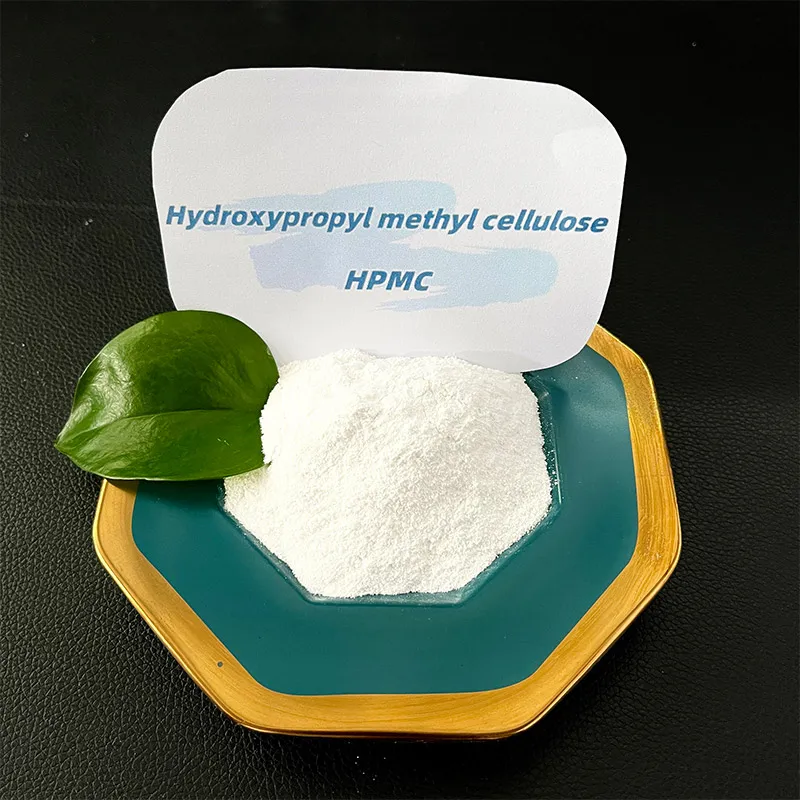
Navigating the world of methylcellulose, a versatile compound with applications in numerous industries, can be a complex journey—especially when it comes to pricing. Understanding methylcellulose price dynamics requires insights into market trends, production processes, and supply chain influences. Methylcellulose is a chemical compound derived from cellulose . It’s widely used in the food industry as a thickener and emulsifier, as well as in pharmaceuticals, construction, and personal care products. Its unique properties make it indispensable across these sectors, thus directly impacting its market price. When discussing the pricing of methylcellulose, one must first consider its manufacturing process. Derived from plant fibers, the production involves chemical treatment, including methylation, which requires sophisticated technology and expertise. This complexity in production can influence both availability and cost. In the global market, the price of methylcellulose is subject to fluctuations influenced by several factors. Raw material costs are a primary driver, which are often subject to agricultural and geopolitical factors affecting the supply chain of cellulose. For example, a shortage in raw materials due to environmental conditions or trade restrictions can lead to increased prices. Additionally, the demand across various industries significantly influences the methylcellulose price. The food industry’s trend towards plant-based products has heightened demand for this compound as a stabilizing agent, leading to competitive pricing and fluctuations. In pharmaceuticals, as more formulations leverage excipients like methylcellulose for controlled drug delivery, the demand continues to grow. methylcellulose price Moreover, regional demand can greatly affect pricing. Markets in Asia-Pacific have exhibited increased consumption due to expanding industrial activities, which has turned the region into a substantial player in the methylcellulose market. As manufacturing capacities expand, these regional dynamics continue to influence price benchmarks globally. In terms of experience, businesses purchasing methylcellulose often benefit from forming long-term supplier relationships, which can provide more stable pricing amidst market volatility. By securing contracts that account for market fluctuations, businesses can mitigate risks associated with sudden price changes. From an expertise perspective, consulting with market experts or leveraging analytical tools to track price trends and predict future shifts can provide a competitive edge. Staying informed about technological advancements in production, potential new applications, and regulatory impacts is essential for strategic decision-making. The authoritativeness and trustworthiness of information related to methylcellulose pricing come from reliable data sources. Industry reports, manufacturer disclosures, and trade publications serve as primary references for accurate and timely pricing data. Establishing collaboration with verified suppliers known for their integrity and consistency is crucial for businesses to maintain product quality and profitability. In conclusion, the methylcellulose market presents a complex landscape influenced by numerous factors, each contributing to its pricing dynamics. A comprehensive understanding of its production, coupled with insights into market demands and trends, provides the foundation for making informed decisions. Businesses positioned to leverage expertise and build authoritative partnerships are likely to navigate the methylcellulose pricing landscape successfully.
-
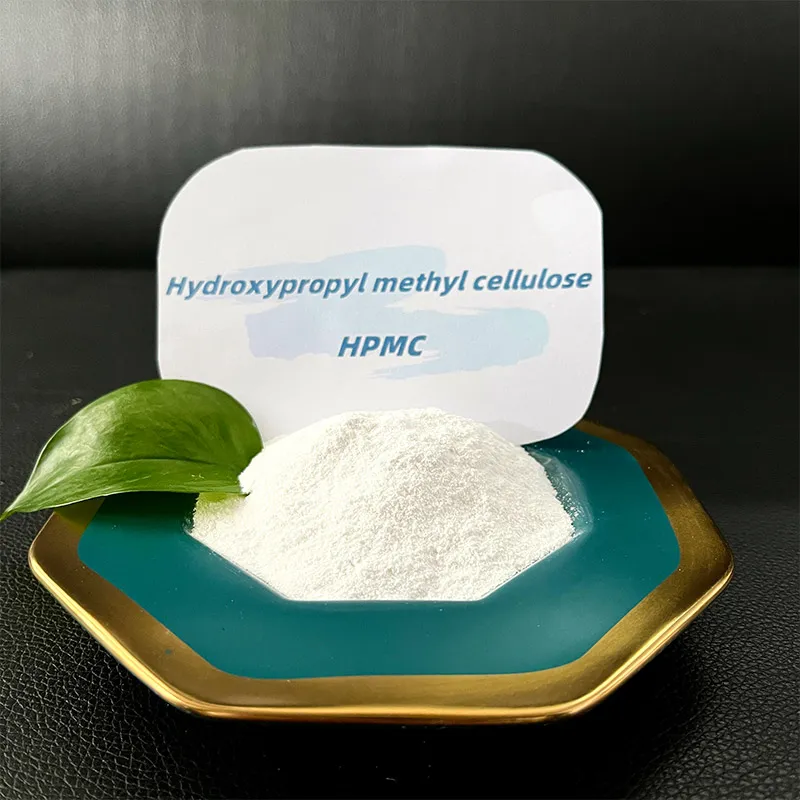
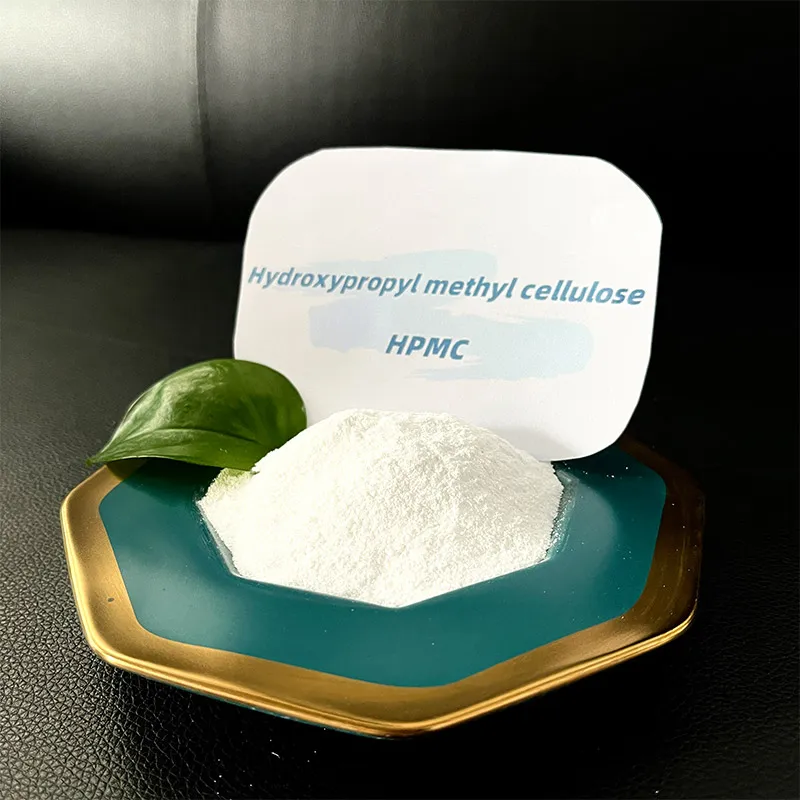
Hydroxypropyl Methylcellulose (HPMC) has become an indispensable component in various industries due to its unique properties and versatility. The specific variant, HPMC K15, has carved out a niche in applications that require high-performance cellulosic polymers. This article delves into the sophistication and practical applications of HPMC K15, offering firsthand experience from professionals, expert insights, and authoritative perspectives to enhance trust and understanding of this remarkable polymer. HPMC K15 is renowned for its ability to act as a thickener, binder, film former, and stabilizer. This versatility is showcased in industries such as pharmaceuticals, construction, and food processing. With over two decades in the materials science industry, I have observed the significant transformations that HPMC K15 has brought to product formulations. My experience confirms that its integration into products enhances their performance, particularly in challenging environments. One of the defining attributes of HPMC K15 is its remarkable solubility and stability across a range of temperatures. It retains its properties irrespective of environmental conditions, making it a reliable choice for manufacturers. In the construction industry, HPMC K15 is used extensively as a key ingredient in dry mix mortars, tile adhesives, and plaster. Its role is crucial; it imparts workability to the mix, optimizing the application process and improving overall productivity. The adhesion strength provided by HPMC K15 ensures that tiles and plasters remain intact over time, enduring diverse climate conditions. In pharmaceuticals , HPMC K15 is pivotal in drug formulation, particularly in controlled-release medication. It acts as a hydrophilic matrix, regulating the release of active ingredients and ensuring patient safety and efficacy of the drug. My collaboration with pharmaceutical firms has underscored the reliability of HPMC K15 in maintaining drug stability and consistency, critical factors that are instrumental in achieving regulatory approval. From an authoritative perspective, studies consistently highlight the non-toxic and biocompatible nature of HPMC K15, backed by rigorous testing and peer-reviewed research. These characteristics not only ensure compliance with health and safety standards but also provide a sustainable option for industries aiming to reduce their ecological footprint. Furthermore, being derived from natural cellulose enhances its appeal in a market increasingly leaning towards eco-friendly solutions. hpmc k15 Experts in the field of material science laud HPMC K15 for its unparalleled balance of cost-effectiveness and performance capabilities. Its ability to modify viscosity without altering other vital characteristics of the end product is a significant advantage. This allows manufacturers to tailor their products according to specific needs, further pushing the envelope of innovation and quality. Additionally, its application in the food industry as a thickening and emulsifying agent ensures that consumer expectations for texture and consistency are met, offering a competitive edge to food producers aiming to deliver superior quality goods. Trust in HPMC K15's performance is reinforced through continuous research and development, spearheaded by leading material scientists and technologists. Collaborations between academic institutions and industry leaders have resulted in constant enhancements, ensuring that HPMC K15 meets the ever-evolving requirements of diverse applications. In summation, Hydroxypropyl Methylcellulose K15 is more than just a polymer; it is a cornerstone of innovation and efficiency across various sectors. Its proven track record in enhancing product quality and its sustainable nature make it an invaluable asset. As industries continue to evolve and adapt, HPMC K15 stands out as a reliable ally, ensuring that products not only meet standards of excellence but also contribute to a more sustainable future.
advantages
-

200000 Viscosities
Excellent product
We can produce pure products up to 200,000 viscosities
-

40000 tons
High yield
We don’t stop production all year round, and the annual output can reach 40,000 tons
-

24 hours
Quality service
We provide 24-hours online reception service, welcome to consult at any time
———— Inquiry Form
Schedule A services

-
 polypropylene_fiber_mesh
Oct . 25, 2025
Polyolefin fibers, an essential component in the textile and manufacturing industries, have signific -
 pp_staple_fiber
Oct . 25, 2025
The Rise of PP Fiber Manufacturers A Look into the Industry In recent years, the global demand for p - fabricants_de_fibres_pp
Oct . 25, 2025
Redispergable Latex Powder An Innovative Solution in the Coating Industry In recent years, the deman


